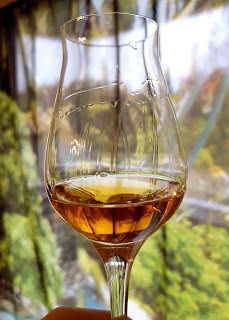
Sonntag, 27. Februar 2022

Martinican Trio. Rhum Agricole Neisson Profile Series

(the English part is below, just skip the German part)


Servus Leute,

in Anbetracht der außergewöhnlich und beschissenen Umstände, welche zur Zeit in unserem schönen Europa herrschen, wollte ich dieses Review eigentlich nicht veröffentlichen. Nach reiflicher Überlegung veröffentliche ich es dennoch. Heute gibt es wieder ein mehrfach Review. Dieses Mal tauchen wir wieder ab in die Welt des Rhum Agricole. Genauer gesagt begeben wir uns nach Martinique. Erneut wollen wir einige Rhums der Distillerie Neisson unter die Lupe nehmen. Dieses Mal sind es Rhums der Profil-Serie.

Zur Abfüllung:

Bisher gab es drei Abfüllungen dieser kleinen Serie. Der Rhum Agricole Neisson Rhum élevé sous bois Profil 62 49,2%vol wurde von La Maison du Whisky zum 65jährigen Jubiläum ausgewählt. Anscheinend gab es hiervon nur 900 Flaschen. Verwendet wurden Virgin Oak Barrels. Diese Abfüllung war gefühlt äußert schwer in die Hände zu bekommen. Ich konnte nur ein kleines Sample ersteigern. Die zweite Abfüllung ist der Rhum Agricole Neisson Rhum élevé sous bois Profil 105 54,2%vol. Hier wurden anscheinend Fässer mit Dauben aus amerikanischer Weißeiche und französischer Eiche verwendet. Diese wurden laut Velier zuerst mit weißem Rhum gefüllt und nach 4 Monaten wieder entleert. Das Ziel war die Extraktion der Tannine, welche bei frischen Fässern in nicht geringen Mengen an den Inhalt abgegeben werden. Diese Bitterstoff-Zugabe des Holzes an den Rhum wollte man damit also begrenzen. Beim Rhum Agricole Neisson Rhum élevé sous bois Profil 107 52,8%vol. hat man den Rum anders reifen lassen Zuerst wurden Ex-Bourbon-Fässer verwendet und ließ den Profil 107 15 Monate darin verweilen. Danach kam er für einige Monate in Fässer aus französischer Eiche. Man verfolgte also drei unterschiedliche Reifungsstategien. Eigentlich müsste man von fünf Abfüllungen der Profil-Serie sprechen. Es gibt noch zwei weitere Versionen, nämlich jeweils eine Bio-Version des Profils 105 und des Profils 107. Diese beiden Versionen kenne ich allerdings nicht und werde an dieser Stelle auch nicht weiter darauf eingehen. Alle Abfüllungen der Profil-Sreie haben die Bezeichnung Rhum élevé sous bois (ESB) auf dem Label, was schlicht „in Holz gereifter Rhum“ bedeutet. Diese Bezeichnung ist gemäß der Appellation d'Origine Contrôlée (AOC) des Rhums von Martinique eine geschützte Bezeichnung. ESB Rhums müssen mindestens 12 Monate in einem Holz-Fass gereift sein. Erst ab drei Jahren gelten sie als gealterte Rhums (rhum vieux). Außerdem müssen sie noch 250g pro 100 Liter reinen Alkohols an nicht-alkoholischen (flüchtigen) Anteilen aufweisen. Alle Rhums der Profil-Serie erfüllen diese Voraussetzungen. Das die Brennerei trotz der gestiegenen Nachfrage ihrer Rhums sich an diese Experimente herangewagt hat, ist verblüffend. Schließlich ist die Herstellungsmenge eines jeden Jahres aufgrund der begrenzten Menge an Zuckerrohr doch ziemlich beschränkt. Pro Jahr werden nur 400.000 Liter an Rhum hergestellt. Den Anteil der Engel muss man ebenfalls noch berücksichtigen, wenn man an gealterte Rhums dieser Brennerei denkt. Ob diese jungen Exemplare es mit den gealterten Rhums aufnehmen können? Das werden wir mit diesem Tasting mit Sicherheit feststellen können. Zur Geschichte der Brennerei habe ich bereits einige Details im Review des Rhum Agricole Neisson X.O. Rhum Vieux geschrieben. Deswegen werden wir an dieser Stelle gleich zur Verkostung übergehen.

Quellen:


--------------------------------------------------------------------------------------------


Rhum Agricole Neisson Rhum élevé sous bois Profil 62 49,2%vol.

Verkostung:

Preis: Der Rum ist so gut wie verschwunden. Der Preis rangierte von 60 bis 70€. LMDW verkaufte ihn für 59.50€.

Alter: Mindestens 12 Monate.

Alkoholstärke: 49,2%vol.

Destillationsverfahren: Jean Neissons „Savalle“-Still.

Farbe: Sattes Gold.

Viskosität: Es bildet sich eine kleine Krone am gesamten Glas. Der Rhum fließt auf der ganzen Glasoberfläche zurück zum Glasgrund und bildet einen schmierigen Film. Ers6t dann zeigen sich kleine Perlen.

Nase: Nach entfernen des Glasdeckels rieche ich eine ganz dezente Nuance von Vanille. Begleitet wird diese von einer schwachen Süße und dezentem Zuckerrohr. Tief im Glas rieche ich schwache Zitrusfrüchte, Zuckerrohr, Karamell und Vanille. Der Rhum verträgt keine sehr lange Standzeit. Nach über einer Stunde scheint er wieder an Fahrt zu verlieren. Benetzt man das Glas frisch mit Rhum, dann kitzelt zuerst leicht der Alkohol. Es dauert etwas, bis sich Aromen voll entfalten. Ich rieche Gewürze, leichte Eichenaromen, Dezentes Zuckerrohr und exotische Früchte, verwoben mit einer medizinischen Komponente. Es ist leider keine besonders sehr komplexe Nase. Der Alkohol verschwindet nach kurzer Zeit. Die Aromen verblassen leider mit längerer Standzeit ebenso schnell. Entweder liegt es an meinem Sample oder diese Abfüllung ist nicht besonders explosiv in der Nase.

Gaumen: Zuerst fluten Zuckerrohr, Zitrusfrücjhte, Karamell und eine leichte Süße den Gaumen. Dann folgen gewürze, Rauch und Eichenaromen. Die Süße verblasst rasch. Der Rhum wird mehr pflanzlich im Geschmack. Das Zuckerrohr ist nicht so dominant wie ich es erwartet hatte bei einem Rhum mit diesem jungen Alter. Blumige Aromen, exotische Früchte und leicht süßliches Karamell bilden den Abschluss des ersten Schlucks. Beim zweiten Schluck Rauch mit medizinischen Komponenten. Dann Zuckerrohr und schwache Zitrusfrüchte. Limetten? Es folgen Karamell, Leder, Eiche und leichte Gewürzaromen. Nelken und Anis. Der Fasseinfluss ist schon jetzt deutlich vorhanden und gut eingebunden. Am Ende Eiche, Anis und dezent grasige Aromen. Beim letzten Schluck deutlich presäntere Zuckerrohraromen und Zitrusfrüchte. Erst dann kommen süßes Karamell, Gewürze und Eiche zum Vorschein. Der Rhum schmeckt leicht süßlich. Eine gewisse Säure lauert aber im Hintergrund des Profils, kann aber nicht wirklich sich bemerkbar machen. Das Zuckerrohr und die Zitrusfrüchte verweilen lange im Mundraum. Dann kommen Gewürze und leicht blumige Aromen zum Vorschein.

Abgang: Nach dem ersten Schluck Gewürze, darunter Anis und Nelken. Blitzschnell folgen Nuancen von Zimt und Rohrzucker. Danach folgen Eichenaromen und schwaches Zuckerfrohr. Am Ende verweilen süßes Kamarell, Zuckerrohr und Rauch am Gaumen.Nach dem zweiten Schluck Rohrzucker, Zuckerrohr und süßes Karamell, dicht gefolgt von leichtem Rauch und Eichenaromen. Nur sehr schwach kann man Klebstoffnuancen erahnen. Nach dem letzten Schluck Karamell, Zuckerrohr, Zitrusfrüchte, einen Hauch Ananas und Rauch. Die Zitrusfrüchte verweilen dieses Mal lange im Mundraum. Der Gaumen wird wunderschön ausgetrocknet.


--------------------------------------------------------------------------------------------


Rhum Agricole Neisson Rhum élevé sous bois Profil 105 54,2%vol.

Verkostung:

Preis: Der Preis rangierte zwischen 48€ und 55€. Einige Shops verlangten auch mehr. Auch hier ist der Rhum schon aus fast vielen Shops verschwunden, ist aber immer noch käuflich zu erwerben.

Alter: Mindestens 12 Monate.

Alkoholstärke: 54,2%vol.

Destillationsverfahren: Jean Neissons „Savalle“-Still.

Farbe: Blasses Gold.

Viskosität: Der Rhum fließt in Form von langen Streifen schnell an der Glaswand hinab.

Nase: Entfernt man den Deckel, dann riecht man zuerst starkes Zuckerrohr, vermischt mit einer ebenso dominanten Vanillenote, gefolgt von Bananeneis, Mangos und Zedernholz. Etwas entfernt vom Glas reicht man auch Zitrusfrüchte, wie Limetten. Dementsprechend leicht säuerlich wirkt er. Tief im Glas dominiert eine Mischung aus Zuckerrohr, Orangen, Banane, Mangos, Zitrusfrüchten, Eichenaromen und auch medizinischen Anklängen. Im Gegensatz zum Neisson X.O., wo ich die Zitrusaromen nur sehr schwer erkannt und unter einer leichten Säure eingestuft habe, sind diese hier deutlich ausgeprägter vorhanden. Sie bereichern das Aromenprofil ungemein. Nach über einer Stunde im Glas kitzelt der Alkohol nur leicht in der Nase. Die 54,2%vol merke ich hier nicht wirklich. Schwenkt man das Glas und benetzt es frisch mit Rhum, dann reicht man zuerst Zitrusfrüchte, Bananen und einen Hauch Kokosnuss. Erst dann machen sich grasige Zuckerrohraromen bemerkbar. Das Bild bei offenem Deckel wandelt sich hin zu einem pflanzlichen und medizinischen Profil. Zuckerrohr, Kräuter und Rauch verdrängen die Früchte immer mehr. Dann kommt ein Hauch von Vanille zum Vorschein. Die Eiche des Fasses ist zwar vorhanden, wird aber von den anderen Eindrücken unterdrückt. Weit weg von Glas reicht man eine leichte Süße, vermischt mit Tabak und Früchten. Im Glas dagegen ist das Profil leicht säuerlich. Die Süße ist verschwunden. Der Alkohol brennt nun mehr in der Nase, ist aber im Vergleich zu anderen Rhums/Rums immer noch sehr dezent.

Gaumen: Zu beginn flutet eine leichte Süße den Mundraum. Dann kommt eoine Mischung aus süßem Zuckerrohr, Zedernholz, Bananen und Mangos zum Vorschein, vermischt mit leicht säuerlichen und medizinisch Komponenten. Der Rum brennt nur sehr sanft am Gaumen. Die 54,2%vol merke ich zu keinem Zeitpunkt. Der Rhum wird schnell pflanzlich, während er im Mund verdünnt wird. Kurz schmecke ich Vanille, Orangen und Bananen, bevor diese von Kräutern, Zuckerrohr, Leder und Rauch beiseite gedrängt werden. Beim zweiten Schlucken wieder diese Süße, dieses Mal vermischt mit Klebstoffaromen. Dann folgen Zitrusfrüchte, Bananeneis, Rauch und medizinische Geschmackskomponenten. Dieses mal brennt der Rum stärker, ist aber immer noch sanft im Vergleich zu anderen Abfüllungen. Zedernholz, Zuckerrohr, Bananen und Zitrusfrüchte bilden den Abschluss. Beim dritten Schluck Vanille, Klebstoffaromen, Zuckerrohr und Gewürze vom Fass. Das Profil ist nur schwach süßlich, wobei die Süße rasch verschwindet und einer leichte Säure weicht. Rauch, Gewürze, Banane und Zuckerrohr dominieren den Mundraum. Ein vierter Schluck verändert das Bild nicht mehr großartig. Rauch, Vanille und Zuckerrohr, mit nur noch Nuancen von Klebstoff dominieren den Mundraum. Wieder verblasst die Süße rasch. Alles in allem merkt man diese hohe Trinkstärke nicht. Zumindest mich stört sie nicht.

Abgang: Zu beginn schmeckt man Rauch satt. Dann Kräuter und Zuckerrohr. Minimale Nuancen von Bananeneis huschen über den Gaumen. Rauch, Nuancen von Gewürzen und Kräuter bilden den Abschluss. Nach dem zweiten Schluck zuerst Zitrusfrüchte, Bananen, Gewürze wie Zimt und Muskatnuss, dann Rauch und ein Kräuter. Das Zuckerrohr ist nur sehr dezent vorhanden. Rauch und Kräuter verweilen lange am Gaumen. Nach dem dritten Schluck Rauch satt, vermischt mit delikatem Zuckerrohr, Banane, Vanille und herben Kräutern. Die Früchte verblassen und der Rauch wird stärker. Spätestens nach dem dritten Schluck dreht der Abgang richtig auf. Der Mundraum wird wunderschön ausgetrocknet. Es ist keine Bitterkeit vorhanden.


--------------------------------------------------------------------------------------------


Rhum Agricole Neisson Rhum élevé sous bois Profil 107 52,8%vol.

Verkostung:

Preis: Bei LMDW bekommt man ihn noch für 56€. Ansonsten ist auch dieses Exemplar bei vielen Shops, auch in Deutschland, aus dem Sortiment verschwunden..

Alter: Mindestens 12 Monate.

Alkoholstärke: 52,8%vol.

Destillationsverfahren: Jean Neissons „Savalle“-Still.

Farbe: Blasses Gold.

Viskosität: Der Rhum fließt relativ zügig an der Glaswand hinab.

Nase: Hier entweichen grasiges Zuckerrohr, ein Hauch von Rohrzucker und Zedernholz dem Glas. Auch exotische Früchte in Form von Ananas und Papayas kann man erkennen. Gefühlt sind hier die Zedernholz-Aromen schwächer als beim Profil 105. Näher am Glasrand wieder Zuckerrohraromen, medizinische Komponenten in Form von Rauch, und wieder exotische Früchte. Eiche und Karamell kann man zwar auch wahrnehmen, diese werden aber vom Alkohol und dem Rauch in den Hintergrund gedrängt. Ebenfalls wieder mit dabei sind Zitrusfrüchte. Limetten? Der Alkohol ist nach über einer Stunde nicht mehr aufdringlich, aber doch immer noch präsent. Benetzt man das Glas frisch mit dem Rhum, dann kitzelt der Alkohol zuerst kräftig in der Nase. Dieser weicht dominantem Rauch, Zuckerrohr, und schwachen Aromen von Karamell und Eiche. Dann tauchen Zedernholz und exotische Früchte auf. Wieder Zitrusfrüchte und schwache Aromen von Ananas. Die Zitrusfrüchte mit dem Zuckerrohr formen nun den Hauptanteil aller Gerüche. Das Zedernholz verblasst etwas dagegen. Auch hier ist weiter weg vom Glas eine leichte Süße, vermischt mit einer gewissen Säure zu erkennen. Im Glas dagegen überwiegt das medizinische Profil und die Nase ist nicht mehr süß. Im Vergleich zum Profil 105 ist die Nase des Profil 107 gefühlt etwas zurückhaltender.

Gaumen: Beim ersten Schluck flutet delikates Zuckerrohr den Mundraum. Dann brennt der Alkohol leicht auf der Zunge. Anschließend bestürmen medizinischer Rauch, Zitrusfrüchte, ein Hauch Ananas und Eiche die Sinne. Mit der Zeit verschwindet der Alkohol und eine leichte Süße breitet sich aus, die aber rasch säuerlich wird. Zedernholz, Rauch, Karamell und ein Hauch Leder umschmeicheln nun den Gaumen. Beim zweiten Schluck deutlich kräftigeres Zuckerrohr. Der Alkohol ist für 52,8%vol deutlich milder als man erwarten würde. Dann wieder exotische Früchte und Rauch. Limetten, Zitronen und ein Hauch von Ananas. Nur kurz huscht Zedernholz über die Zunge. Die Fassaromen sind zwar vorhanden, aber auch hier dominiert der noch junge Rhum das gesamte Profil. Der Speichelfluss wird durch den Rhum gut angeregt. Beim letzten Schluck erneut dominantes Zuckerrohr, mit ebenso dominanten Raucharomen. Zuerst schmeckt man eine leichte Süße, die wieder zu einer gewissen Säure sich wandelt ohne aufdringlich zu werden. Der Rum brennt angenehm am Gaumen und auf der Zunge. Zitrusfrüchte, Ananas und Nuancen von Zedernholz folgen. Am Ende schmeckt man Gewürze, einen Hauch von Karamell und immer noch medizinischen Rauch. Wahrlich ein ganz junger Bursche.

Abgang: Nach dem ersten Schluck Gewürze, Zuckerrohr, Rauch und Eichenaromen. Das Zuckerrohr verblasst und ein pflanzlicher Geschmack bleibt am Gaumen haften. Am Ende verweilen nur noch Rauch und ein Hauch von Zitrusfrüchten im Mundraum. Nach dem zweiten Schluck erneut Rauch und Zuckerrohr. Dann Zitrusfrüchte, vermischt mit Nuancen von Honig, Leder und Karamell. Am Ende schmeckt man Gewürze und einen Hauch von Eiche. Nach dem letzten Schluck blumige Aromen, grasiges Zuckerrohr und medizinischer Rauch. Das Zuckerrohr dominiert den Abgang. Wieder folgt ein Wechselspiel hin zu einem mehr medizinischen Profil, bei dem nur am Ende Gewürze auftauchen.


-------------------------------------------------------------------------------------------------

Fazit: Der Rhum Agricole Neisson Rhum élevé sous bois Profil 62 49,2%vol war für mich zuerst eine kleine Enttäuschung in der Nase. Am Gaumen konnte er dann sein Potenzial unter Beweis stellen. Die jungfräuliche Weißeiche hat nach kurzer Zeit schon gute Arbeit geleistet. Ob der Rhum viele Jahre darin aushalten könnte? Das Resultat kann sich durchaus sehen lassen. Allerdings kann er nicht mit einem Rhum Vieux mithalten. Nach der etwas verhalten Nase wollte ich diesen Profil schon abschreiben, aber der Gaumen konnte einiges wieder gut machen. Ich kann nun etwas verstehen, warum er so schwer für mich zu bekommen war. Er ist und bleibt allerdings nicht der Beste dieser Serie.

Der Rhum Agricole Neisson Rhum élevé sous bois Profil 105 54,2%vol ist für das junge Alter äußerst geschmackvoll. Man schmeckt aber immer noch das sehr junge Alter. Die medizinische Komponente ist ein deutlicher Hinweis darauf. Die 54,2%vol habe ich zu keiner Zeit als störend empfunden. Auch diese Abfüllung kann nicht mit einem Rhum Vieux mithalten. Dennoch zeigt sie eindrucksvoll, was mit der Verwendung unterschiedlicher Holzarten in relativ kurzer Zeit aus dem Rhum gemacht hat. Mein Vergleich hierzu ist der Neisson Rhum Blanc Esprit 70%vol. Mit diesem Rhum hat mich Leo beim Treffen in Karlsruhe (2021) mit nur einem Cocktail abgeschossen. Ich vertrage keine weißen oder ungealterten Rhums. Auch keine Neissons. Diese kurze Reifezeit hat ihn nicht nur trinkbar, sondern auch zu einem Genusserlebnis für mich gemacht.

Der Rhum Agricole Neisson Rhum élevé sous bois Profil 107 52,8%vol. Ist zwar ein sehr geschmackvoller Rhum Agricole, der durchaus die Neisson-Note in sich trägt. Es mangelt ihn dennoch aber etwas an Reife. Mit älteren Rhums kann er eben sowenig konkurrieren, wie die anderen beiden Abfüllungen. Das sollen diese Abfüllungen aber auch nicht. Für die geringe Reife von mindestens 12 Monaten ist die Qualität schon recht ordentlich. Gefühlt ist hier der Fasseinfluss geringer als beim Rhum Agricole Neisson Rhum élevé sous bois Profil 105 54,2%vol., was sich in der Farbe der Rhums nicht wirklich widerspiegelt. Im Vergleich zum Neisson Rhum Blanc Esprit 70%vol ist diese Version geradezu handzahm und auch pur ein kleiner Genuss.

Die Bewertung dieser noch jungen Neissons viel mir nicht leicht, aber es kann nicht nur immer Gewinner und hohe Wertungen geben. Den Kauf meiner Flaschen bereue ich dennoch nicht. Diese Rhum Agricoles sind für zwischendurch oder auch als Digestif durchaus geschmackvoll. Man kann keine Stunden an ihnen schnüffeln oder die Gedanken schweifen lassen. Diese Rhums sollte man im Mund und nicht in der Nase genießen. Für mich kann hier nur der Rhum Agricole Neisson Rhum élevé sous bois Profil 105 54,2%vol in der Nase und am Gaumen glänzen. Hätte der Rhum Agricole Neisson Rhum élevé sous bois Profil 62 49,2%vol eine bessere Nase gehabt, dann wäre er der Sieger dieses Vergleichs gewesen. So ist es für mich der Profil 105. Der Rhum Agricole Neisson Rhum élevé sous bois Profil 107 52,8%vol ist eine schwächere Version des Profil 105. Die Nase war zwar besser als z.B. beim profil 62, aber am Gaumen verlor er gegen den 62 und 105. Diese Wertung ist allerdings rein subjektiv. Andere Genießer mögen zu einem anderen Fazit kommen. Das war es auch schon wieder. Passt auf euch auf.


Marco Freyer


Rhum Agricole Neisson Rhum élevé sous bois Profil 62 49,2%vol.

(84/100)

Rhum Agricole Neisson Rhum élevé sous bois Profil 105 54,2%vol.

(85/100)

Rhum Agricole Neisson Rhum élevé sous bois Profil 107 52,8%vol.

(83/100)


Howdy folks,

I did not really want to publish this review given the extraordinary and shitty circumstances that are currently prevailing in our beautiful Europe. However, after a careful consideration I have decided to publish it regardless. On today’s menu is again a multiple review. This time we go back and dive again into the world of Rhum Agricole. More precisely, we are going to Martinique. Once again we want to take a close look at some rhums from the Neisson distillery. This time we will examine the rhums from the Profil series.

The Bottling:

So far there have been three bottlings of this small series. The Rhum Agricole Neisson Rhum élevé sous bois Profil 62 49.2%vol was selected by La Maison du Whiskey for its 65th anniversary. Apparently there were only 900 bottles of this. Virgin Oak barrels were used. This bottling felt extremely difficult to get your hands on. I was only able to bid on a small sample. The second bottling is the Rhum Agricole Neisson Rhum élevé sous bois Profil 105 54.2% vol. American white oak and French oak staved casks appear to have been used here. According to Velier, these were first filled with white rhum and emptied again after 4 months. The aim was to extract the tannins, which are released into the contents in large quantities in fresh barrels. The goal was to limit the addition of these bitter substances from the wood to the rhum. When Rhum Agricole Neisson Rhum élevé sous bois profile 107 52.8% vol. did you let the rum mature differently First, ex-bourbon casks were used and the Profil 107 was left to linger in them for 15 months. After that, it was aged in French oak barrels for a few months. Three different maturation strategies were therefore pursued. Actually, one should speak of five bottlings of the profile series. There are two other versions, namely an organic version of the profile 105 and the profile 107. However, I do not know these two versions and will not go into them any further at this point. All bottlings in the Profil series have the designation Rhum élevé sous bois (ESB) on the label, which simply means "rhum aged in wood". This designation is a protected designation according to the Appellation d'Origine Contrôlée (AOC) of rhum from Martinique. ESB rhums must have matured in wooden barrels for at least 12 months. They are only considered aged rhums (rhum vieux) if they are aged to at least three years. They must also have 250g of non-alcoholic (volatile) components per 100 liters of pure alcohol. All rhums in the Profil series meet these requirements. That the distillery has dared to experiment despite the increased demand for their rhums is amazing. After all, each year's production volume is quite limited due to the limited amount of sugar cane. Only 400,000 liters of rhum are produced each year. The Angels share must also be taken into account when thinking of the aged rhums of this distillery. Can these young specimens compete with the aged rhums? We will be able to determine that with certainty with this tasting. I have already given some details about the history of the distillery in the review of the Rhum Agricole Neisson X.O. Rhum Vieux. That's why we're going straight to the tasting at this point.


Sources:


------------------------------------------------------------------------------------------------------


Rhum Agricole Neisson Rhum élevé sous bois Profil 62 49,2%abv

Tasting:

Price: The rum is all but gone. The price ranged from 60 to 70€. LMDW sold it for €59.50.

Age: At least 12 months.

ABV: 49.2%abv.

Process of distillation: Jean Neisson's "Savalle" still.

Colour: Rich gold.

Viscosity: A small crown forms on the glass. The rhum flows back down the entire surface of the glass to the bottomand forms a greasy film. Only then do small pearls appear.

Nose: After removing the glass lid I smell a very subtle nuance of vanilla. This is accompanied by a weak sweetness and subtle sugar cane. Deep in the glass I smell faint citrus, sugar cane, caramel and vanilla. The rhum does not tolerate a very long standing time. After more than an hour it seems to lose momentum again. If you wet the glass freshly with rhum, the alcohol tickles slightly at first. It takes a while for the aromas to develop fully. I smell spices, light oak aromas, subtle sugar cane and exotic fruits, interwoven with a medicinal component. Unfortunately, it is not a particularly complex nose. The alcohol disappears after a short time. Unfortunately, the aromas fade just as quickly with longer standing times. It's either my sample or this bottling isn't particularly explosive on the nose.

Palate: First, sugar cane, citrus fruits, caramel and a slight sweetness flood the palate. Then spice, smoke and oak aromas follow. The sweetness fades quickly. The rhum becomes more herbal in taste. The sugar cane is not as dominant as I expected for a rhum of this young age. Flowery aromas, exotic fruits and slightly sweet caramel complete the first sip. On the second sip smoke with medicinal components. Then sugar cane and weak citrus. limes? Caramel, leather, oak and light spice aromas follow. cloves and anise. The barrel influence is already clearly present and well integrated. At the end oak, anise and subtle grassy aromas. With the last sip, clearly more present sugar cane aromas and citrus fruits. Only then do sweet caramel, spices and oak emerge. The rum tastes slightly sweet. A certain acidity lurks in the background of the profile, but cannot really make itself felt. The sugar cane and citrus fruits linger in the mouth for a long time. Then spices and slightly floral aromas come to the fore.

Finish: After the first sip, spices including anise and cloves. Nuances of cinnamon and cane sugar follow in a flash. This is followed by oak aromas and weak sugar cane. At the end, sweet camarel, cane and smoke linger on the palate. After the second sip, cane sugar, cane and sweet caramel, closely followed by light smoke and oak flavors. Nuances of adhesive can only be guessed at very faintly. After the last sip, caramel, sugar cane, citrus, hints of pineapple and smoke. The citrus fruits linger in the mouth for a long time this time. The palate is beautifully dried out.


------------------------------------------------------------------------------------------------------


Rhum Agricole Neisson Rhum élevé sous bois Profil 105 54,2%abv

Tasting:

Price: The price ranged between €48 and €55. Some shops also asked for more. Here, too, the rhum has disappeared from almost many shops, but it can still be purchased.

Age: At least 12 months.

ABV: 54.2% abv.

Process of distillation: Jean Neisson's "Savalle" still.

Colour: Pale gold.

Viscosity: The rhum flows quickly down the glass wall in the form of long streaks.

Nose: If you remove the lid, you first smell strong sugar cane, mixed with an equally dominant vanilla note, followed by banana ice cream, mangoes and cedar wood. Citrus fruits such as limes are also served a little further away from the glass. Accordingly, it has a slightly acidic effect. A mixture of sugar cane, oranges, bananas, mangoes, citrus fruits, oak aromas and medicinal notes dominates deep in the glass. In contrast to the Neisson X.O., where I found it very difficult to recognize the citrus aromas and classified them as slightly acidic, these are much more pronounced here. They enrich the flavor profile immensely. After more than an hour in the glass, the alcohol tickles your nose only slightly. I don't really notice the 54.2% abv. Swirl the glass and sprinkle it with fresh rhum, and you're first served citrus fruits, bananas and a hint of coconut. Only then do grassy sugar cane aromas become noticeable. The open-lid image shifts to a herbal and medicinal profile. Sugar cane, herbs and smoke are increasingly replacing fruit. Then a hint of vanilla appears. The oak of the barrel is present, but suppressed by the other impressions. Far away from glass one reaches a light sweetness, mixed with tobacco and fruits. In the glass, on the other hand, the profile is slightly acidic. The sweetness is gone. The alcohol now burns more in the nose, but is still very subtle compared to other rhums/rums.

Palate: At the beginning, a slight sweetness floods the mouth. Then comes a blend of sweet sugarcane, cedarwood, bananas and mangoes mixed with slightly tart and medicinal components. The rum burns only very gently on the palate. I never notice the 54.2%abv. The rhum quickly becomes vegetal as it is diluted in the mouth. Briefly I taste vanilla, oranges and bananas before these are pushed aside by herbs, sugar cane, leather and smoke. On the second sip, that sweetness again, this time mixed with flavors of glue. Then citrus fruits, banana ice cream, smoke and medicinal flavor components follow. This time the rum burns stronger, but is still gentle compared to other bottlings. Cedar wood, sugar cane, bananas and citrus fruits complete the finish. On the third sip vanilla, glue aromas, sugar cane and spices on tap. The profile is only slightly sweet, with the sweetness quickly dissipating and giving way to a slight acidity. Smoke, spices, banana and sugar cane dominate the mouth. A fourth sip doesn't change the picture much anymore. Smoke, vanilla and sugar cane, with only nuances of glue dominate the mouth. Again the sweetness fades quickly. All in all, you don't notice this high drinking strength. At least not me.

Finish: At the beginning you can taste the smoke. Then herbs and sugar cane. Minimal nuances of banana ice cream flit across the palate. Smoke, nuances of spices and herbs complete the finish. After the second sip first citrus fruits, bananas, spices like cinnamon and nutmeg, then smoke and some herbs. The sugar cane is only very subtle. Smoke and herbs linger on the palate for a long time. After the third sip, full of smoke mixed with delicate sugar cane, banana, vanilla and tart herbs. The fruit fades and the smoke intensifies. After the third sip at the latest, the finish really gets going. The mouth is beautifully dried out. There is no bitterness.


------------------------------------------------------------------------------------------------------


Rhum Agricole Neisson Rhum élevé sous bois Profil 107 52,8%abv

Tasting:

Price: At LMDW you can still get it for 56€. Otherwise, this bottling has also disappeared from the range in many shops, including in Germany.

Age: At least 12 months.

ABV: 52.8%abv.

Process of distillation: Jean Neisson's "Savalle" still.

Colour: Pale gold.

Viscosity: The rhum flows down the glass wall relatively quickly.

Nose: Here grassy sugar cane, a hint of cane sugar and cedar wood escape the glass. Exotic fruits in the form of pineapples and papayas can also be seen. The cedar wood aromas are felt to be weaker here than in the 105 profile. Closer to the edge of the glass, sugar cane aromas again, medicinal components in the form of smoke, and exotic fruits again. Oak and caramel can also be noticed, but these are pushed into the background by the alcohol and the smoke. Citrus fruits are also back. limes? The alcohol is no longer intrusive after more than an hour, but is still present. If you wet the glass freshly with the rhum, the alcohol tickles your nose at first. This gives way to dominant smoke, sugar cane, and faint aromas of caramel and oak. Then cedar wood and exotic fruits appear. Again citrus fruits and faint aromas of pineapple. The citrus fruits with the sugar cane now form the main part of all smells. The cedar wood fades a bit against it. Here, too, a slight sweetness mixed with a certain acidity can be seen further away from the glass. In the glass, on the other hand, the medicinal profile predominates and the nose is no longer sweet. Compared to the profile 105, the nose of the profile 107 feels a little more reserved.

Palate: With the first sip, delicious sugar cane floods your mouth. Then the alcohol burns slightly on the tongue. Medicinal smoke, citrus fruits, a hint of pineapple and oak then assault the senses. Over time, the alcohol disappears and a slight sweetness spreads, but it quickly becomes sour. Cedar wood, smoke, caramel and a touch of leather now caress the palate. With the second sip, significantly stronger sugar cane. The alcohol is much milder than you would expect for 52.8% vol. Then again exotic fruits and smoke. Limes, lemons and a hint of pineapple. Cedar wood only briefly scurries over the tongue. The barrel aromas are present, but the still young rhum dominates the entire profile here as well. The flow of saliva is well stimulated by the rhum. With the last sip, sugar cane dominates again, with smoke aromas that are just as dominant. First you taste a slight sweetness, which changes back to a certain acidity without becoming obtrusive. The rum burns pleasantly on the palate and on the tongue. Citrus fruits, pineapple and hints of cedar wood follow. At the end you can taste spices, a hint of caramel and still medicinal smoke. A very young fellow indeed

Finish: Spices, sugar cane, smoke and oak aromas after the first sip. The sugar cane fades and a vegetal flavor lingers on the palate. In the end, only smoke and a hint of citrus fruits linger in the mouth. After the second sip, smoke and sugar cane again. Then citrus mixed with nuances of honey, leather and caramel. At the end you can taste spices and a hint of oak. After the last sip, floral aromas, grassy sugar cane and medicinal smoke. The sugar cane dominates the finish. Again, there is an interplay towards a more medicinal profile, with spices only appearing at the end.


---------------------------------------------------------------------------------------------


Conclusion: The Rhum Agricole Neisson Rhum élevé sous bois Profil 62 49.2% abv was a bit of a disappointment for me at first. On the palate it was then able to demonstrate its potential. The virgin white oak has already done a good job after a short time. Could the rhum last for many years in it? The result is quite impressive. However, it cannot compete with a Rhum Vieux. After the somewhat restrained nose, I wanted to write off this profile, but the palate was able to make up for some things. I can now somewhat understand why it was so difficult for me to obtain this one.However, It is not the best bottling of the Pofile Series.

The Rhum Agricole Neisson Rhum élevé sous bois Profil 105 54.2%abv is extremely tasty. This is impressive given its young age. However, you can still taste some remnants of its unaged stage. The medicinal component is a clear indication of this. At no time did I find the 54.2%abv disturbing. This bottling can't keep up with a Rhum Vieux either. Nevertheless, it shows impressively what has become of the rhum with the use of different types of wood in a relatively short amount of time. My comparison to this is the Neisson Rhum Blanc Esprit 70% abv. With this rhum, Leo downed me with just one cocktail at the meeting in Karlsruhe (2021). It is a very powerful but very rough spirit. I can't drink white or unaged rhums. I do not like them. Not even Neissons. This short maturation has not only made this rhum drinkable, but also made it a pleasurable experience for me.

It was not easy for me to rate these young Neissons, but there can't always be winners and high ratings. I still don't regret buying my bottles. These rhum agricoles are delicious for in between meals or as a digestif. You can't spend hours sniffing them or letting your mind wander. These rhums should be enjoyed in the mouth and not in the nose. For me, only the Rhum Agricole Neisson Rhum élevé sous bois Profil 105 54.2%abv can shine on the nose and on the palate. If the Rhum Agricole Neisson Rhum élevé sous bois Profil 62 49.2% abv had had a better nose, then it would have been the winner of this comparison. That's the profile 105 for me. The Rhum Agricole Neisson Rhum élevé sous bois Profil 107 52.8% abv is a weaker version of the profile 105. The nose was better than, for example, the profile 62, but on the palate it lost against the 62 and 105. However, this rating is purely subjective. Other connoisseurs may come to a different conclusion. That's it for today. Take care of yourselves.


Marco Freyer


Rhum Agricole Neisson Rhum élevé sous bois Profil 62 49,2%abv

(84/100)

Rhum Agricole Neisson Rhum élevé sous bois Profil 105 54,2%abv

(85/100)

Rhum Agricole Neisson Rhum élevé sous bois Profil 107 52,8%abv

(83/100)


Sonntag, 23. Januar 2022

Mount Gay Duo: SBS and Andean Oak

 (the English part is below, just skip the German part)


Servus Leute!

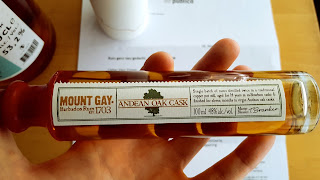
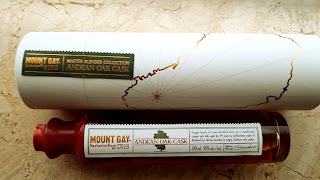
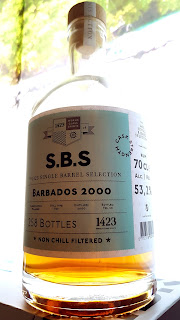
Das letzte Review ist schon wieder eine kleine Weile her. Leider hielten mich gesundheitliche Probleme von Tastings ab. Heute gibt es wieder ein Doppelreview. Eine Abfüllung eines Unabhängigen Abfüllers und eine offizielle Abfüllung des Markeninhabers. Heute dreht sich alles um den Mount Gay Master Blender Selection Andean Oak Cask 14YO 48%vol und den Single Barrel Selection Barbados (Mt. Gay) 2000 19YO 53,2%vol.

Zur Abfüllung:

Wir haben also eine offizielle Abfüllung von Mount Gay unter der Leitung der Master Blenderin Trudiann Branker und eine inoffizielle Abfüllung des Unabhängigen Abfüllers 1423 World Class Spirits in Dänemark hinter dem sich Joshua Singh verbirgt. Die Firma brachte 2015 ihre ersten Rums auf den Markt. Zu meiner Schande muss ich gestehen, dass ich einige Rum-Samples damals bekam gerade in dem Augenblick, wo ich mir eine Auszeit nehmen musste und diese nie vorstellte. Dies ist, soweit ich es richtig verstanden habe, die vierte Abfüllung der Master Blender Collection, mit welchen uns Mrs. Branker bisher beglückt hat. Die 1. Edition war der Mount Gay Master Blender Collection XO Peat Smoke Expression 57%vol. mit 6.120 Flaschen. Die 2. Edition der Mount Gay Master Blender Collection Pure Pot Still Rum 2009 10YO 48%vol (um die 125€ aufwärts) mit 4.920 Flaschen. Die 3. Edition war der Mount Gay Master Blender Collection Port Cask Expression 55%vol (ca. 150€) mit 6.570 Flaschen. Und schließlich die 4. Edition, unsere heutige Abfüllung, der Mount Gay Master Blender Collection Andean Oak Cask 14YO 48%vol. mit 2.761 Flaschen. Die Master Blender Collection richtet sich wohl an alle Nerds und Interessierte, die mehr wollen als nur die Standard-Range der Mount Gay Marke. Es gab auch noch den Mount Gay XO Cask Strength Limited Edition 2016 mit 63%vol und einer Flaschenanzahl von 3.000, welcher zur Feier des 50. Jahrestags der Unabhängigkeit Barbados veröffentlicht wurde, aber nicht zur Master Blender Collection gehört. Mein alter Blog-Kollege Flo veröffentlichte ein Review über diesen Rum. Ein guter Rum, aber mit übertriebenem Preis war sein Fazit. Für ihn war der Velier Habitation Last Ward (Mt. Gay) 2007 mit 59%vol die bessere Wahl. Sein Review stammt aus 2017. Danach kamen noch zwei weitere Last Wards auf den Markt, auf diese wir uns aber für den Moment nicht weiter konzentrieren wollen.

Der Single Barrel Selection Barbados (Mt. Gay) 2000 19YO 53,2%vol. des dänischen Abfüllers hatte gerade einmal 258 Flaschen. Im Vergleich zur Master Blender Collection ist dies verschwindend gering. Allerdings sollte man auch die Tatsache berücksichtigen, dass der dänische Rum nur in Europa zu haben ist, wenn ich mich nicht irre. Die Flaschenanzahl und die Verfügbarkeit beider Abfüllungen spiegelt sich in keinster Weise bei den Preisen wider. Der SBS ist, je nach dem wo man hinsieht, günstiger als die offizielle Variante und hat zudem noch mehr Volumenprozente. Diese Flasche kaufte ich aufgrund eines Irrtums. Ich dachte eigentlich es war ein WIRD. Ich hätte mich wohl etwas intensiver informieren müssen, bevor ich die Bestellung und die Verkostung getätigt habe. Beim Tasting fiel mir auch auf, dass dies ein Mt Gay war. Erst da bemerkte ich meinen Irrtum. Hätte ich den Rum sonst gekauft? Höchstwahrscheinlich ja. Ich habe auch schon in der Vergangenheit Rums von Mount Gay unter dem Abfüller Isla Del Ron gekauft und bewertet. Bereut habe ich den Kauf also nicht.

Das Sample des Mount Gay Master Blender Collection Andean Oak Cask 14YO 48%vol. wurde mir im November von unerwarteter Seite aus zugesandt. Aber ich denke es wird wohl bei diesem einen Sample bleiben, da ich den Rum erst jetzt bewerte und es nicht schon vor dem Weihnachtsgeschäft getan habe. Dieses Sample war wohl für diese Zeit gedacht und nicht für den Dry January. Aber besser spät als nie ist meine Devise. Ich hatte und habe einfach sehr viel um die Ohren und mein privates Projekt verschlingt nun einmal sehr viel Zeit. Das mich meine Booster-Impfung Ende Dezember zwei Wochen von Alkohol fern hielt war ebenfalls nicht förderlich für dieses Review. Als Finish des bekannten Mount Gays Profils hat man sich für Fässer aus dem Holz der Andeneiche oder auch kolumbianischen Eiche (Quercus humboldtii) ausgesucht. Das ist absolutes Neuland für mich. Diese Gattung wächst rund um das Andengebirge in Südamerika und der lateinische Name wurde zu Ehren des preußischen Naturforschers und Reisenden Alexander von Humboldt (1769-1859) ausgewählt, der von 1799 bis 1804 Südamerika bereiste und uns zahlreich interessante Beschreibungen der dortigen Lebensumstände hinterließ. Durch meine privaten Nachforschungen in Südamerika bin ich schon über ihn gestolpert. Von dieser Eiche in Verbindung mit Rum hatte ich allerdings bis dato nichts gehört. Es spricht allerdings nichts dagegen. Schließlich verwendet man auch französische Eiche aus dem Mutterland in den DOM. Es wird also interessant. Reden wir nicht länger um den heißen Brei und fangen an!


--------------------------------------------------------------------------------------------


Mount Gay Master Blender Collection Andean Oak Cask 14YO 48%vol


Verkostung :

Preis: Ab ca. 163€ fängt es an. Bekannte Shops verlangen 179,90€.

Alter: Ein offizielles Alter gibt es denke ich nicht. Aber die Rums verweilten für 14 Jahre in amerikanischen Weißeichenfässern und anschließend „nur“ 11 Monate in Fässern aus Andeneiche. Damit sind es also nur 14 Jahre.

Alkoholstärke: Akzeptable 48%abv. Das man sich hier nicht an schottische Verhältnisse der Whisky-Szene orientiert hat, finde ich sehr löblich. 40-42%abv braucht kein Mensch.

Destillationsverfahren: Pot Still.

Farbe: Bernstein. Beide haben fast eine identische Farbe.

Viskosität: Der Rum hinterlässt einen schmierigen Film auf dem Glas.

Nase: Beide Rums durften eine Stunden atmen. Sofort nach dem Entfernen des Glasdeckels reicht man feine Esteraomren, altes poliertes Holz, exotische Früchte und Karamell. Dieser Rum riecht anders als alle bisher verkosteten Rums dieser Brennerei. Grund muss wohl die Andeneiche sein. Es ist eine Kombination aus Honig, Eichenaromen welche der französischen Eiche ähneln, eine Frucht die ich absolut nicht einordnen kann und Zitrusaromen. Die Nase ist leicht süßlich. Näher am Glas Karamell, Krokant, feine Vanille, Teer der in Richtung Caroni geht aber doch sehr eigenständig daherkommt und ein blumenartiger Duft. Letzteren kann ich ebenfalls nicht einordnen. Dieses Fassfinish ist äußerst faszinierend. Tief im Glas dominiert Aprikose, Mandeln, Teer, Blumen, Honig, Leder und altes poliertes Holz. Benetzt man das Glas frisch mit Rum, dann dominieren Mandeln, Honig und Vanille die Nase. Der Alkohol kitzelt nun etwas mehr in der Nase. Etwas entfernt vom Glas kann man kurz Zitrusfrüchte erkennen. Dann kommen Rauch, medizinische Komponenten, Eichenaromen, Anis und Banane und bereichern den Gesamteindruck. Mandeln garniert mit Honig und ein blumigen Teergeruch. Ich denke damit kann man die Nase nach einigen Sekunden sehr gut beschreiben. Definitiv kein gewöhnlicher Mount Gay. In Fassstärke muss dies ein außerordentliches Biest gewesen sein. Die Vanille riecht auch anders als beim Vergleichsrum.

Gaumen: Beim ersten Schluck altes poliertes Holz, und eine leichte Säure. Dann brennt der Alkohol. Flaut dieser ab schmeckt man Honig, blumigen Teer, ganz minimal Mandeln, Karamell und einen Hauch Anis. Dann wird der Rum schwach süßlich, bevor er sich hin zu einem pflanzlichen und medizinischen Profil hin wandelt. Rauch, Holz, Aprikosen, Anis und Karamell bilden den Abschluss. Beim zweiten Schluck Wunderschöne Klebstoffaromen, die aber schnell verschwinden. Dann Anis, Zimt, Mandeln und Nuancen von Honig. Zuerst schmeckt der Rum leicht brenzlich, säuerlich, wird dann aber mehr rauchig und abschließend pflanzlich. Gewürze satt, Eichenaromen, altes poliertes Holz, Wachs und ganz schwach Honig bilden den Abschluss. Beim dritten und letzten Schluck brennt der Alkohol immer noch sehr sanft, bevor Klebstoffaromen, ganz schwacher Teer, Honig und Mandeln den Mundraum fluten. Dann kommt Rauch, Holzkohle und sehr dominante Gewürze. Die Mandeln sind zwar am Gaumen vorhanden, aber nicht so präsent wie man es sonst gewöhnt ist. Zuerst schmeckt der Rum leicht süßlich, bevor er minimal säuerlich wird und sich dann wieder ins pflanzliche umwandelt. Dieser Rum muss in Fassstärke etwas ganz Besonderes gewesen sein. Jetzt bedauere ich die Verdünnung dieser Abfüllung zutiefst.

Abgang: Nach dem ersten Schluck Gewürze, Rauch und sehr dezente Fassaromen. Nach und nach huschen Honig, Aprikosen und Mandeln über den Gaumen, bevor sie wieder rasch verblassen. Nach dem zweiten Schluck Rauch, süßer Honig und exotische Früchte. Die Süße verblasst rasch und der Mundraum bleibt angenehm ausgetrocknet zurück. Wieder Anis und Eichenaromen am Ende. Beim letzten Schluck Wachs, Honig und Mandel mit einer kleinen Spur Teer. Dann Rauch und Gewürze. Am Ende verbleiben nur noch Eichenaromen am Gaumen. Letzterer wird wunderschön ausgetrocknet. Die Andeneiche hat überall dem Rum seinen Stempel aufgedrückt.


--------------------------------------------------------------------------------------------


Single Barrel Selection Barbados (Mt. Gay) 2000 19YO 53,2%vol


Verkostung :

Preis: Ab 153€ käuflich zu erwerben.

Alter: Kein offizielles Alter. Der Rum wurde irgendwann im Jahr 2000 hergestellt und im Februar 2020 in Europa abgefüllt. Aus sicherheitstechnischen Gründen gebe ich hiermit 19 Jahre als Alter an und nicht 20, wie man es bei vielen Shops zu sehen bekommt.

Alkoholstärke: Angenehme 53,2%abv.

Destillationsverfahren: Pot Still.

Farbe: Etwas dunkleres Bernstein. Der Andean Oak ist eine Spur dunkler als sein kontinentales Pendant.

Viskosität: In dicken Schlieren fließt der Rum an der Glaswand hinab. Es verbleibt ein sehr schmieriger und öliger Film auf der Glasinnenwand.

Nase: Beim Abnehmen des Deckels entströmen sofort ganz leichte Ester, Mangos, Papayas, und Eichenaromen. Weiter weg vom Glas kann man einen Hauch Bananen, Leder und Karamell erhaschen. Direkt am Glasrand dominieren Mandeln, Aprikosen, feine Eichenaromen und medizinische Nuancen. Tief im Glas dominiert die für Mt. Gay typischen Mandelaromen, Vanille, Bananen, Aprikosen, Anis und Karamell. Auch Nuancen von Holzkohle und Teer sind vorhanden, werden aber eher etwas in den Hintergrund gerückt. Die Nase ist süßlich mit einer Spur Säuerlichkeit, welche von den Estern stammt. Nach dieser langen Zeit ist der Alkohol nur noch sehr schwach in der Nase vorhanden und kitzelt nur sehr leicht. Benetzt man das Glas frisch mit Rum, dann riecht man Teer, Anis und exotische Früchte, die leider miteinander verwoben sind und eine Identifizierung zu Beginn erschweren. Die Mandeln sind nur noch sehr dezent vorhanden. Nach einigen Sekunden kommen Vanille, Banane und die Mandelaromen gewinnen an Stärke. Nun macht sich auch der Alkohol mehr bemerkbar. Die Süße ist nun nicht mehr vorhanden. Stattdessen macht sich eine medizinische Komponente im Glas breit. Der Rum gewinnt relativ schnell an Fahrt, profitiert aber deutlich von einer längeren Standzeit. Erst nach vielen Sekunden kommt die Banane-Vanille-Kombination erneut zum Vorschein. Immer mit dabei die so typischen Mandelaromen.

Gaumen: Beim ersten Schluck fluten zuerst Vanille, schwacher Teer und dominante Mandelaromen den Mundraum. Dann brennt der Alkohol leicht auf der Zunge. Nun gesellen sich auch Anis, Eiche, Leder und Karamell hinzu. Der Rum schmeckt nun leicht medizinisch und leicht nach Banane-Vanille. Mit zunehmender Verdünnung kommt eine dezente Bitterkeit hinzu. Man schmeckt nun dezent Bittermandeln. Der Alkohol verschwindet und der Rum wandelt sich hin zu einem pflanzlichen Profil. Beim zweiten Schluck brennt der Rum nun intensiver am Gaumen. Anflüge von Klebstoff verweilen im Mundraum. Dann kommen geballte Gewürzaromen zum Vorschein. Eine Spur Zimt und Anis kann ich erkennen. Dann wieder medizinische Aromen, Früchte in Form von Bananen, Vanille und Rauch. Schließlich wandelt sich der Rum hin zu einem leicht säuerlichen Profil. Immer noch dominieren die Gewürze, nun mit Mandeln, Anis und Karamell. Nach dem dritten Schluck sind die Klebstoffaromen immer noch präsent. Der Alkohol brennt nun am stärksten. Nach und Nach kommen Anis, Vanille und Mandeln zum Vorschein. Die medizinische Komponente, welche zu Beginn auch hier vorhanden ist, wird immer schwächer. Der Teer ist fast nicht mehr zu schmecken. Die Süße der Nase nach knapp einer Stunde ist am Gaumen nicht vorhanden.

Abgang: Nach dem ersten Schluck Rauch, ein Hauch Anis und sehr schwache Eichenaromen. Beim zweiten Schluck Banane, Vanille, Mandeln und ein Hauch von Anis. Nach einiger Zeit wird der Abgang pflanzlich und das Fass wird dominanter. Der Mundraum wird nun wunderschön ausgetrocknet. Nach dem dritten Schluck Mandeln, Vanille, Bananen und Anis satt. In diesem Zustand erinnert mich dieser Rum an Worthy Park. Die präsenten Mandelaromen machen einem aber deutlich, dass es sich hier um eine andere Brennerei handelt. Nach nur drei Schlückchen hat sich der Gaumen angenehm ausgetrocknet. Das muss man schon mögen.


-------------------------------------------------------------------------------------------------


Fazit: Der Mount Gay Master Blender Collection Andean Oak Cask 14YO hat einige Besonderheiten. Ich kann ihn nur schlecht mit den Last Wards oder den kontinentalen Rums der Vergangenheit vergleichen. Die Andeneiche hat diesen Pot Still Rum wahrlich bereichert und ihn positiv verändert. Ich wünsche mir eine Variante davon in Fasstärke. Wäre diese Abfüllung mit mehr Volumenprozente abgefüllt worden, hätte sie wahrscheinlich die gesamte Konkurrenz geschlagen. So fehlt mir ein wenig der Kick. Die zusätzliche Aromen durch die Andeneiche verleihen ihm ein Profil, das in den kontinental gereiften Versionen dieser Brennerei so nicht vorkommen. Ich hatte wenn ich ehrlich bin nichts Besonderes erwartet, als ich das Sample zugeschickt bekam. Die Vorgänger in der Master Blender Collection kenne ich nicht, aber für mich ist dieses Fassfinish etwas ganz besonderes. Ist diese Abfüllung legendär? Nein. Leider nicht. In meinen Augen hätte man sie unverdünnt auf den Markt bringen müssen. Damit hätte man ein unmissverständliches Zeichen gesetzt. Aber 48%vol sind immer noch besser als 40-42%. Diese Abfüllung kann sich sehen lassen. Einzig der Preis ist der große Wermutstropfen. Dieser hätte mich auch von einem Kauf abgehalten. Ohne dieses Sample hätte ich diesen Rum wohl nie kennengelernt. Das gebe ich offen zu.

Der Single Barrel Selection Barbados (Mt. Gay) 2000 19YO 53,2%vol ist definitiv nicht so dreckig wie die Last Wards von Velier. Er ist eher mit den beiden kontinentalen Abfüllungen Isla Del Ron Barbados Mount Gay 2000 12 YO und dem Isla Del Ron Barbados Mount Gay 2000 16YO zu vergleichen. Damals empfand ich den letztgenannten als einen der besten Mount Gays, die ich im Glas hatte. Auch dieser hatte eine dezente Bitterkeit. Die Aromenvielfalt ist noch einmal einen kleinen Tick gestiegen und auch am Gaumen ist er eher gefälliger als der Isla del Ron. Er ist ein sehr guter Ersatz für all jene, die schon damals den Isla Del Ron Barbados Mount Gay 2000 16 YO mochten. Damals war dieser Rum schnell ausverkauft. Trotz einem vergrößertem Interesse an Rum seit 2016 hält sich diese Abfüllung noch am Markt. Über die Gründe kann man nur spekulieren. Günstiger als der Mount Gay Master Blender Collection Andean Oak Cask 14YO ist er definitiv. Auch ein Punkt der für einige Käufer/Käuferinnen nicht zu verachten ist.

Welchen Rum soll man nun kaufen? Diese Frage kann ich ihnen nicht beantworten. Die Antwort auf diese Frage liefern sowohl ihr Portmonee als auch ihre Geschmacks-Präferenzen. Wenn sie Mandelaromen pur wollen, dann ist der Andean Oak nichts für sie. Dort werden sie etwas beiseite gerückt. Haben sie hingegen genug Geld, mögen Mount Gay und wollen etwas Neues erleben, dann würde er sich vielleicht für sie lohnen. Die letztendliche Kaufentscheidung kann ihnen Niemand abnehmen. Am Gaumen hat der Single Barrel Selection Barbados (Mt. Gay) 2000 19YO aufgrund seiner höheren Volumenprozente einfach mehr „Biss“ und Geschmack. Daran ändert die Besonderheit und Seltenheit der Andeneiche nicht viel. Man hat dort ein etwas anderes Geschmacksprofil, das zwar immer noch sehr gut ist, aber mit einem Fassstärke-Rum der eigenen Brennerei auf gleichen oder leicht besseren Niveau nicht mithalten kann. Das ist allerdings nur meine Meinung. Das ich Rums in Fassstärke mag sollte allen Lesern/Leserinnen des Blogs bekannt sein. Es würde mich aber freuen, wenn dieses Experiment mit der Andeneiche kein Einzelfall bleiben wird, auch wenn ich kein Freund der Verwendung von Tropenhölzern bin. Mrs. Branker kann man zu dieser Abfüllung nur gratulieren. Hiervon können sich andere Brennereien gerne etwas abschneiden und davon lernen.


Marco Freyer


Mount Gay Master Blender Collection Andean Oak Cask 14YO 48%vol

(90/100)

Single Barrel Selection Barbados (Mt. Gay) 2000 19YO 53,2%vol.

(92/100)


-----------------------------------------------------------------------------------------------------


Hello people!

It's been a little while since the last review. Unfortunately, health problems kept me from tastings. Today there is another double review. One bottling from an independent bottler and one official bottling from the brand owner. Today everything revolves around the Mount Gay Master Blender Selection Andean Oak Cask 14YO 48%abv and the Single Barrel Selection Barbados (Mt. Gay) 2000 19YO 53.2%abv.

The Bottling:

So we have an official bottling from Mount Gay under the direction of Master Blender Trudiann Branker and an unofficial bottling from Independent Bottler 1423 World Class Spirits in Denmark, which is Joshua Singh. The company launched its first rums in 2015. To my shame I have to admit that I got some rum samples back then at the very moment I needed to take some time off and never presented them on this blog. This is, as far as I understood correctly, the fourth bottling of the Master Blender Collection that Mrs. Branker has delighted us with so far. The 1st Edition was the Mount Gay Master Blender Collection XO Peat Smoke Expression 57%abv with 6,120 bottles. The 2nd edition the Mount Gay Master Blender Collection Pure Pot Still Rum 2009 10YO 48%abv (up around €125) with 4,920 bottles. The 3rd edition was the Mount Gay Master Blender Collection Port Cask Expression 55%abv (approx. €150) with 6,570 bottles. And finally the 4th edition, today's bottling, the Mount Gay Master Blender Collection Andean Oak Cask 14YO 48%abv with 2,761 bottles. The Master Blender Collection is aimed at all nerds and interested people who want more than just the standard range of the Mount Gay brand. There was also the Mount Gay XO Cask Strength Limited Edition 2016 with 63%abv and a bottle count of 3,000, which was released to celebrate the 50th anniversary of Barbados independence, but is not part of the Master Blender Collection. My old blog colleague Flo published a review about this rum. A good rum, but with an exaggerated price was his conclusion. For him, the Velier Habitation Last Ward (Mt. Gay) 2007 with 59%abv was the better choice. His review is from 2017. After that two more Last Wards came out, but we don't want to focus on them for the moment.

The Single Barrel Selection Barbados (Mt. Gay) 2000 19YO 53.2%abv. The Danish bottler had just 258 bottles. Compared to the Master Blender Collection, this is vanishingly small. However, one should also consider the fact that Danish rum is only available in Europe, if I'm not mistaken. The number of bottles and the availability of both bottlings are in no way reflected in the prices. Depending on where you look, the SBS is cheaper than the official variant and also has even more volume percentages. I bought this bottle by mistake. I actually thought it was a WIRD. I should have informed myself a little more intensively before I placed the order and the tasting. During the tasting I also noticed that this was a Mt Gay. Only then did I realize my mistake. Would I have bought the rum otherwise? Most likely yes. I have also purchased and reviewed Mount Gay rums under bottler Isla Del Ron in the past. So I don't regret the purchase.

The sample of the Mount Gay Master Blender Collection Andean Oak Cask 14YO 48%abv was sent to me in November from an unexpected source. But I think it will probably stay with this one sample, since I'm only now rating the rum and didn't do it before the Christmas business. This sample was probably intended for this time and not for Dry January. But better late than never is my motto. I had and still have a lot on my plate and my private project takes up a lot of time. The fact that my booster shot at the end of December kept me off alcohol for two weeks was also not conducive to this review. To finish the well-known Mount Gays profile, barrels made of Andean oak or Colombian oak (Quercus humboldtii) were chosen. This is completely new territory for me. This genus grows around the Andes Mountains in South America and the Latin name was chosen in honor of the Prussian naturalist and traveler Alexander von Humboldt (1769-1859), who traveled through South America from 1799 to 1804 and left us numerous interesting descriptions of the living conditions there. I've stumbled upon him through my private research in South America. However, I had not heard anything about this oak in connection with rum. However, there is nothing against it. Finally, French oak from the mother country is also used in the DOM. So it's going to be interesting. Let's stop beating around the bush and get started!


------------------------------------------------------------------------------------------------------


Mount Gay Master Blender Collection Andean Oak Cask 14YO 48%abv


Tasting :

Price: It starts at around €163. Well-known shops charge €179.90.

Age: I don't think there is an official age. But the rums stayed in American white oak barrels for 14 years and then "only" 11 months in Andean oak barrels. So it's only 14 years.

ABV: Acceptable 48% abv. I find it very commendable that they didn't follow the Scottish conditions in the whiskey scene. Nobody needs 40-42% abv anyways.

Process of distillation: Pot Still.

Colour: Slightly darker amber. Andean Oak is a shade darker than its continental counterpart.

Viscosity: The rum leaves an oily film on the glass.

Nose: Both rums were allowed to breathe for an hour. Immediately after removing the glass lid, fine ester aromas, old polished wood, exotic fruits and caramel are served. This rum smells different than all the rums from this distillery that have been tasted so far. The reason must be the Andean oak. It's a combination of honey, oak flavors resembling French oak, a fruit I can't place at all, and citrus flavors. The nose is slightly sweet. Closer to the glass Caramel, brittle, fine vanilla, tar that goes in the direction of Caroni but is different from the Trinidadian style and has combined a flower-like scent. I can't classify the latter either. This cask finish is extremely intriguing. Deep in the glass, apricot, almonds, tar, flowers, honey, leather and aged polished wood dominate. If you wet the glass freshly with rum, then almonds, honey and vanilla dominate the nose. The alcohol now tickles the nose a little more. Somewhat away from the glass I can briefly recognize citrus fruits. Then smoke, medicinal components, oak aromas, anise and banana enrich the overall impression. Almonds garnished with honey and a floral scent combined with tar. I think you can use that to describe the nose very well after a few seconds. Definitely no ordinary Mount Gay. At cask strength this must have been an extraordinary one. The vanilla also smells different than the one in the comparison rum.

Palate: Old polished wood on the first sip, and a slight acidity. Then the alcohol begins to burn. When this dies down, you can taste honey, flowery tar, very minimal almonds, caramel and a hint of aniseed. The rum then becomes faintly sweet before shifting towards a herbal and medicinal profile. Smoke, wood, apricots, aniseed and caramel complete the finish. On the second sip, wonderful glue aromas, but they quickly disappear. Then anise, cinnamon, almonds and hints of honey. At first the rum tastes slightly burnt and sour, but then it becomes more smoky and finally herbal. Rich spices, oak aromas, old polished wood, wax and very faint honey complete the finish. On the third and last sip, the alcohol is still burning very gently before aromas of glue, very weak tar, honey and almonds flood the mouth. Then comes smoke, charcoal and very dominant spices. The almonds are present on the palate, but not as present as one is used to. At first the rum tastes slightly sweet before becoming slightly sour and then turning back to herbal. This rum must have been something very special at cask strength. Now I deeply bemoan the decision of diluting this bottling.

Finish: After the first sip spices, smoke and very subtle barrel aromas. Honey, apricots and almonds gradually flit across the palate before quickly fading away again. After the second sip smoke, sweet honey and exotic fruits. The sweetness fades out quickly and the mouth remains pleasantly dry. Again anise and oak flavors at the end. After the last sip wax, honey and almonds with a small trace of tar. Then smoke and spices. In the end only oak flavors remain on the palate. The mouth is beautifully dried out. The Andean oak has left its mark on the rum on the entire profile.


---------------------------------------------------------------------------------------------


Single Barrel Selection Barbados (Mt. Gay) 2000 19YO 53,2%abv


Tasting :

Price: Available for purchase from €153 updwards.

Age: No official age. The rum was made sometime in 2000 and bottled in Europe in February 2020. For security reasons, I hereby give 19 years as the age and not 20, as you can see in many shops.

ABV: Pleasant 53.2% abv.

Process of distillation: Pot Still.

Colour: Amber. The SBS is slightly brighter in colour.

Viscosity: The rum flows down the glass wall in thick streaks. A very greasy and oily film remains on the inner wall of the glass.

Nose: When the lid is removed very light esters, mangoes, papayas and oak aromas immediately escape the glass. Farther away from the edge hints of banana, leather and caramel can be glimpsed. Almonds, apricots, fine oak aromas and medicinal nuances dominate directly at the edge of the glass. Deep in the glass vanilla, bananas, apricots, aniseed, caramel and the almond aromas, which are typical for rums made at Mt. Gay, dominate the profile. There are also nuances of charcoal and tar, but they are pushed into the background. The nose is sweet with a hint of sourness coming from the esters. After this long time, the alcohol is very weak in the nose and tickles only very slightly. If you wet the glass freshly with rum you smell tar, anise and exotic fruits, which are unfortunately interwoven and make an identification difficult at the beginning. The almonds are only very faintly present. After a few seconds, vanilla, banana and the almond flavors gain strength. Now the alcohol is more present. The sweetness is gone now. Instead a medical component spreads out in the glass. The rum gains momentum relatively quickly, but benefits significantly from a longer standing time. Only after many seconds does the banana-vanilla combination reappear. There are always the typical almond aromas.

Palate: With the first sip vanilla, weak tar and dominant almond flavors flood the mouth. Then the alcohol burns slightly on the tongue. Now aniseed, oak, leather and caramel are also added. The rum now tastes slightly medicinal and like banana-vanilla. With increasing dilution, a subtle bitterness is added. You can now taste bitter almonds. The alcohol disappears and the rum shifts towards a herbal profile. With the second sip, the rum burns more intensely on the palate. Hints of glue linger in the mouth. Then concentrated spice aromas come to the fore. I can recognize a hint of cinnamon and anise. Then again medicinal aromas, fruits in the form of bananas, vanilla and smoke. Finally, the Rum changes to a slightly acidic profile. The spices still dominate, now with almonds, aniseed and caramel. After the third sip, the glue flavors are still present. The alcohol burns the strongest now. Anise, vanilla and almonds gradually appear. The medical component, which is also present here at the beginning, becomes weaker and weaker. The tar can hardly be tasted anymore. The sweetness of the nose after almost an hour is not present on the palate.

Finish: After the first sip smoke, hints of aniseed and very faint oak aromas. On the second sip, banana, vanilla, almonds and a hint of anise. After some time the finish becomes herbal and the barrel becomes more dominant. The mouth is now beautifully dry. After the third sip, almonds, vanilla, bananas and aniseed. In this state the rum reminds me of a Worthy Park. However, the present almond aromas make it clear that this is a different distillery. After only three sips, the palate has dried out pleasantly. You have to like that.


------------------------------------------------------------------------------------------------------


Conclusion: The Mount Gay Master Blender Collection Andean Oak Cask 14YO is a very unique one and has some special features. It's hard for me to compare it to the Last Wards or the continental rums of the past. The Andean oak has truly enriched this pot still rum and changed it positively. I wish there was a cask strength version of it. If this bottling had been bottled at a higher abv it probably would have beaten all out of the competition. So I'm missing a bit of a “kick”. The added flavors of the Andean oak give it a profile not found in the distillery's continental aged versions. To be honest, I wasn't expecting anything special when the sample was sent to me. I don't know the predecessors in the Master Blender Collection, but for me this barrel finish is something very special. Is this bottling legendary? No. Unfortunately not. In my opinion, they should have been put on the market undiluted for being a very superior rum. That would have sent an unmistakable signal. But 48%vol is still better than 40-42%. This bottling is impressive. Only the price is the big fly in the ointment. This would have kept me from buying one. Without this sample I probably would have never gotten to know this rum. I openly admit that.

The Single Barrel Selection Barbados (Mt. Gay) 2000 19YO 53.2%vol is definitely not as dirty as the Last Wards bottled by Velier. It is more comparable to the two continental bottlings Isla Del Ron Barbados Mount Gay 2000 12 YO and Isla Del Ron Barbados Mount Gay 2000 16YO. At the time, I found the latter to be one of the best Mount Gays I've had in a dram. This too had a certain bitterness. It is a very good replacement for those who already liked the Isla Del Ron Barbados Mount Gay 2000 16 YO. Back then, this rum was quickly sold out. Despite an increased interest in rum since 2016, this bottling is still on the market. One can only speculate about the reasons. It is definitely cheaper than the Mount Gay Master Blender Collection Andean Oak Cask 14YO. Also a point that is not to be despised for some buyers.

Which rum should you buy now? I can't answer that question for you. The answer to this question comes from both your wallet and your taste preferences. If you absolutely want pure almond flavors that are very dominant, then the Andean Oak might not be for you. They are pushed a little aside by the Andean Oak, but are nontheless present. On the other hand, if you have enough money, like Mount Gay and want to experience something special, then maybe it would be worthwhile for you. Nobody can make the final purchase decision for you. On the palate, the Single Barrel Selection Barbados (Mt. Gay) 2000 19YO simply has more "bite" and taste due to its higher volume percentage. The peculiarity and rarity of the Andean oak does not change that much. They have a slightly different taste profile, which is still very good, but cannot compete with a cask strength rum from their own distillery on the same or slightly better level. That's just my opinion though. All readers of this little blog should know by now that I like and prefer cask strength rums. But I would be happy if this experiment with the Andean oak does not remain an isolated case, even if I am not a fan of using tropical woods in this time in which it’s almost all about “climate” and “environmental protection”. One can only congratulate Mrs. Branker to this bottling. Other distilleries could learn from it. That is if they really want to.


Marco Freyer


Mount Gay Master Blender Collection Andean Oak Cask 14YO 48%vol

(90/100)

Single Barrel Selection Barbados (Mt. Gay) 2000 19YO 53,2%vol.

(92/100)